


A watch counts your steps, a fitness band tracks your sleep, and a smart ring tells you in the morning how well you slept. For many people, wearing a tracker on their wrist or finger is already part of everyday life, and some employers give these devices to staff or encourage them to buy one. How can these devices improve workplace safety and help people manage fatigue at work, and when do they start to cause more trouble than they’re worth? This article looks at the differences between devices, their benefits and limitations, screenless bands, and what to consider when it comes to workplace safety and employer responsibilities.
How watches, bands and rings differ
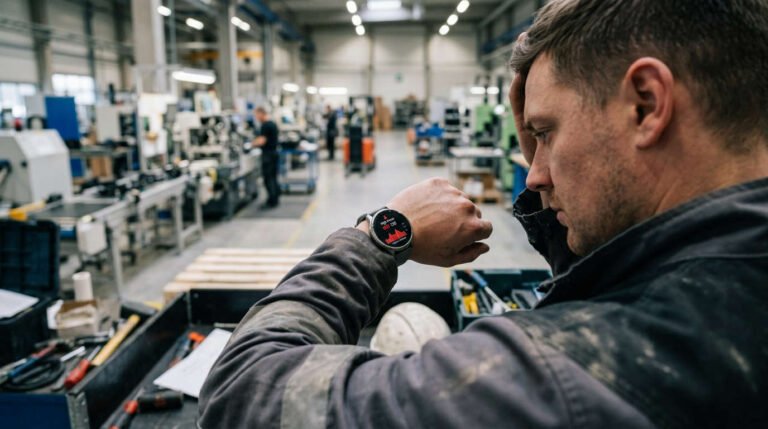
A sports watch has a screen, notifications and often GPS. Some models also offer fall detection and an emergency call feature. A fitness band is usually lighter and less expensive, and focuses on tracking steps, heart rate and sleep. A smart ring has no screen at all. It is designed primarily to track sleep and recovery, and many people find it comfortable to wear at night. Some rings and bands require a paid membership to access all their features, so it’s worth reading the terms carefully before buying.
All these devices share the same limitation. They are consumer devices, and their readings should always be treated as estimates.
What these devices can help with
Many devices make it easy to log workouts and gauge how demanding they were. They count steps and track a range of indicators related to health and energy levels. Sleep deserves particular attention. Lack of sleep reduces alertness and slows reaction times, and fatigue is a known risk factor for accidents in tasks such as driving, shift work, operating machinery and working at height. If your sleep data shows a consistent pattern over several weeks, it’s worth taking seriously and considering what might explain it in your daily life or at work.
Resting heart rate and heart rate variability can indicate that your body isn’t getting enough time to recover. This information can also be useful if you train with specific goals in mind. After all, muscles grow during rest, and even hard training yields fewer benefits if you get too little rest and your recovery is consistently out of balance.
A longer-term trend is more useful than readings from any single day. For people who work sitting down, reminders to move can be a practical help because long, uninterrupted periods of sitting put strain on the musculoskeletal system. Readings can also make it easier to start a conversation with your manager or occupational health services by giving you something concrete to share alongside your own experience.
When the numbers start to cause stress
The benefits can easily turn into drawbacks, and sleep tracking is the clearest example. After several nights of poor sleep, you wake up to a low sleep score on the screen. It reminds you how tired you are before the day has even begun, and by evening you start to worry about going to bed. That worry keeps you awake, and the next morning your score is low again. The device that was supposed to help you recover has become part of the problem.
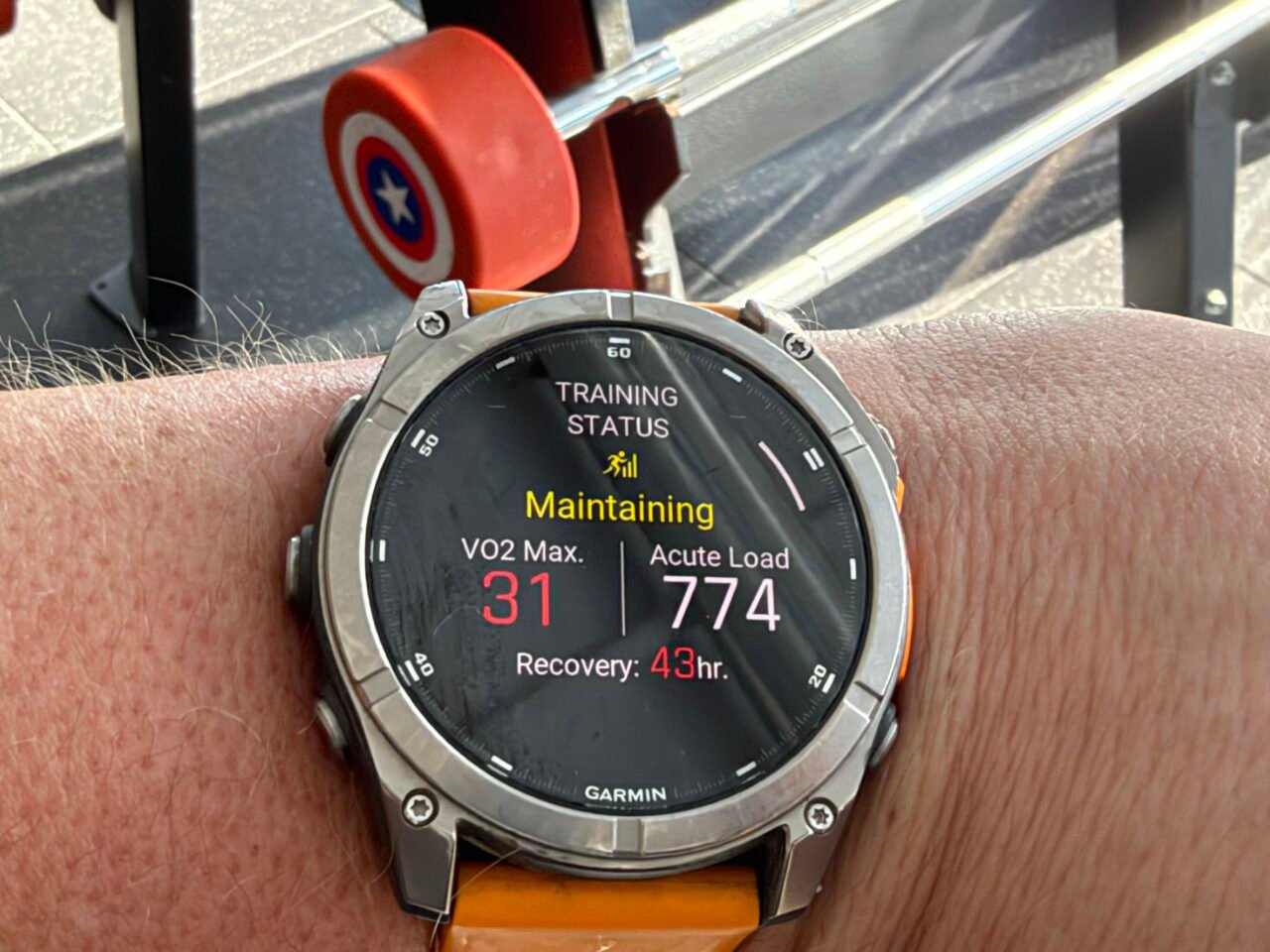
The same thing can happen with other metrics. A low recovery score can make you feel worse than you actually do, and you may start judging how well you’re coping by the numbers instead of how you feel. If you find yourself checking your readings several times a day or dreading bedtime, it’s worth taking a break from tracking. You can take the device off and still benefit from the tracking you’ve already done. Exercise can also become less enjoyable if you get too focused on performance metrics such as pace, heart rate zones or lap times.
Notifications and technostress
Device notifications can also backfire. When your wrist vibrates with every message, call and email, your concentration is interrupted again and again. Over time, being constantly reachable and repeatedly interrupted can lead to technostress, whose symptoms can be difficult to recognise. The TVA blog covers this topic in more detail in the English-language article Technostress – an Invisible Source of Strain in Working Life.
It’s worth limiting the notifications your device sends. Most devices let you turn off notifications for messages, social media and email, and use silent modes to stop vibrations while you work or sleep. If your watch still interrupts what you’re doing, consider whether you need it to notify you at all.
Screenless fitness bands
Screenless fitness bands are one way to address these problems. In summer 2026, several sports watch manufacturers launched screenless bands. With these “watches”, you check the data in a phone app whenever you choose, so there’s nothing to read or flash on your wrist. The band is lightweight, its battery lasts up to ten days according to the manufacturer, and you can wear it on either your wrist or your upper arm. Basic features are available without a subscription.
Wearing the device on your upper arm can be practical for tasks where a watch on your wrist would get in the way. You should always assess whether it’s suitable in line with your workplace’s own guidelines.
The numbers are still available in the app, and you can find yourself checking your sleep score just as often as you would with a watch. If you need an alarm when working alone, you’ll still need a device with that function. A screenless band is best suited to someone who wants to collect data in the background and review it from time to time at their own pace.
Workplace safety
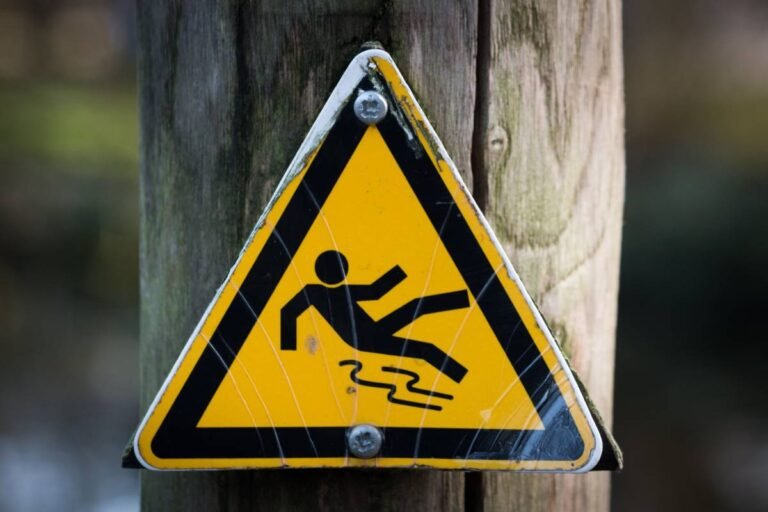
Workplace safety depends primarily on risk assessment, how work is organised, safe working practices and protective equipment. A wearable can help you recognise fatigue, while all those safety measures remain essential.
Rings and bracelets also deserve attention. A ring can get caught in rotating machinery or moving parts and cause serious injury. During electrical work, metal can conduct electricity or heat up and cause burns. Device use may also be restricted for cybersecurity reasons. In food production and healthcare, hygiene requirements often restrict jewellery. The same restrictions apply to watches and bands if they interfere with proper handwashing. If a task prohibits wearing a ring or watch, take the device off while you work. You can still wear it in your free time and at night.
Fall detection and emergency calls can make lone working safer if the feature is enabled and works under the conditions at the workplace. Screenless rings and bands generally lack these features. During physically demanding work in hot conditions, heart rate can give an indication of how hard your body is working. Use other information as well when deciding whether to continue. If you feel unwell, stop working regardless of what the device says.
What a device can’t see
A device can’t see time pressure, unclear roles, a poor working atmosphere or an excessive workload, even though these can all cause significant strain and affect how well people cope. If the whole team is exhausted, fitting one employee with a ring or watch won’t address the problem. The mere fact that employees can track their own readings is no reason to shift responsibility onto them.
Measuring exposure and physical strain at work
Some workplaces also measure physical strain and exposure using professional instruments, which differ from consumer devices. Measuring exposure matters because it makes it possible to share the workload when the strain itself is largely unavoidable. Some tasks, for example, require the use of a breaker. By sharing physically demanding work that generates vibration and noise evenly among several people, supervisors can keep any one person’s exposure from getting too high. Anticipating risks and planning ahead are essential to supporting well-being at work, protecting workers’ health and preventing occupational diseases. Devices such as monitoring wristbands are available to measure vibration exposure, and supervisors can use the data when assigning tasks. These professional sensors and measuring instruments must comply with ISO/TS 22270:2026.
For employers
Employee well-being and the ability to cope with the demands of work are essential. Employees who feel well are often more productive, represent the company well and provide better customer service. Health data is sensitive, however, and using a wearable is always voluntary. The idea of an employer monitoring an employee’s sleep, rest and recovery in their free time is even a little Orwellian. Employers must neither demand access to nor monitor an individual employee’s data. If data is used to improve well-being at work, it should be reviewed only in anonymised form and at group level. Offering a device or organising a group challenge can help, provided participation is genuinely voluntary. As part of the risk assessment, identify the tasks in which wearing these devices is unsafe and communicate this clearly. Above all, employers are responsible for addressing sources of strain in the work itself.
Tips for users
Focus on trends over time. A few days of lower step counts or a single bad night tells you very little. Circumstances make a big difference. It’s perfectly understandable if the wet, dark Finnish November leaves you feeling less inclined to go outside for a long walk.
Choose one or two things to track, such as sleep and recovery. Keep only the notifications you need, and try checking your readings once a week instead of repeatedly throughout the day. If the readings don’t match how you feel, trust how you feel. If you’re concerned about prolonged strain, talk to your manager or occupational health services. The device can help you start that conversation, and the conversation itself still matters.
A smartwatch can help you spot fatigue early. Used poorly, it can add to it. Much depends on how you use the device and the kind of work you do while wearing it.
Would you like to strengthen safety skills in your workplace? Our occupational safety courses cover the importance of well-being and motivation at work, as well as the individual factors that affect stress, strain and the resources people have to cope. Explore TVA’s occupational safety courses.