


Here at TVA we are providing our clients with trainings and know-how about safety awareness and risk reduction. We are usually focused on what to do in order to prevent harmful events. We also provide first aid courses so you can be prepared and know what to do even if an accident occurs.
And there is this one assumption that we and most people accept: that help will come and will overtake quickly. But will they?
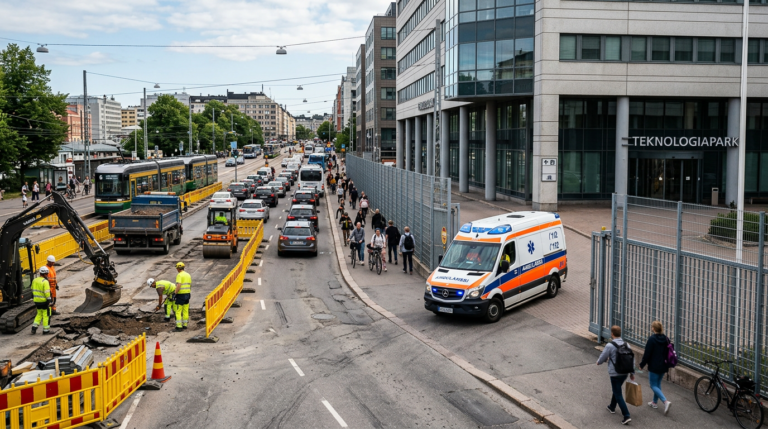
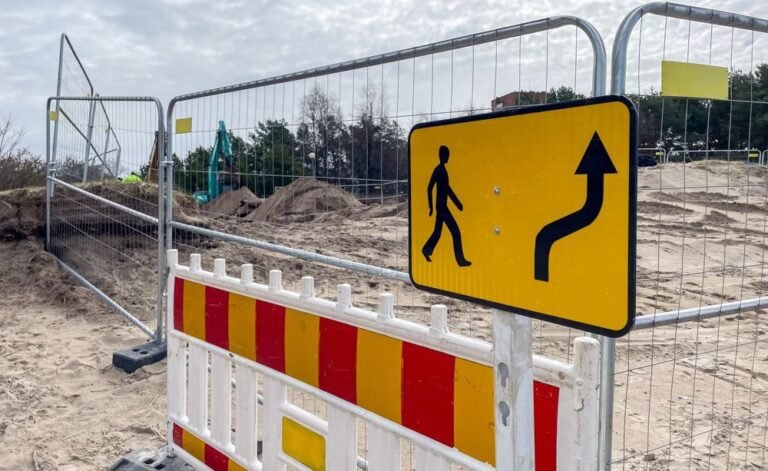
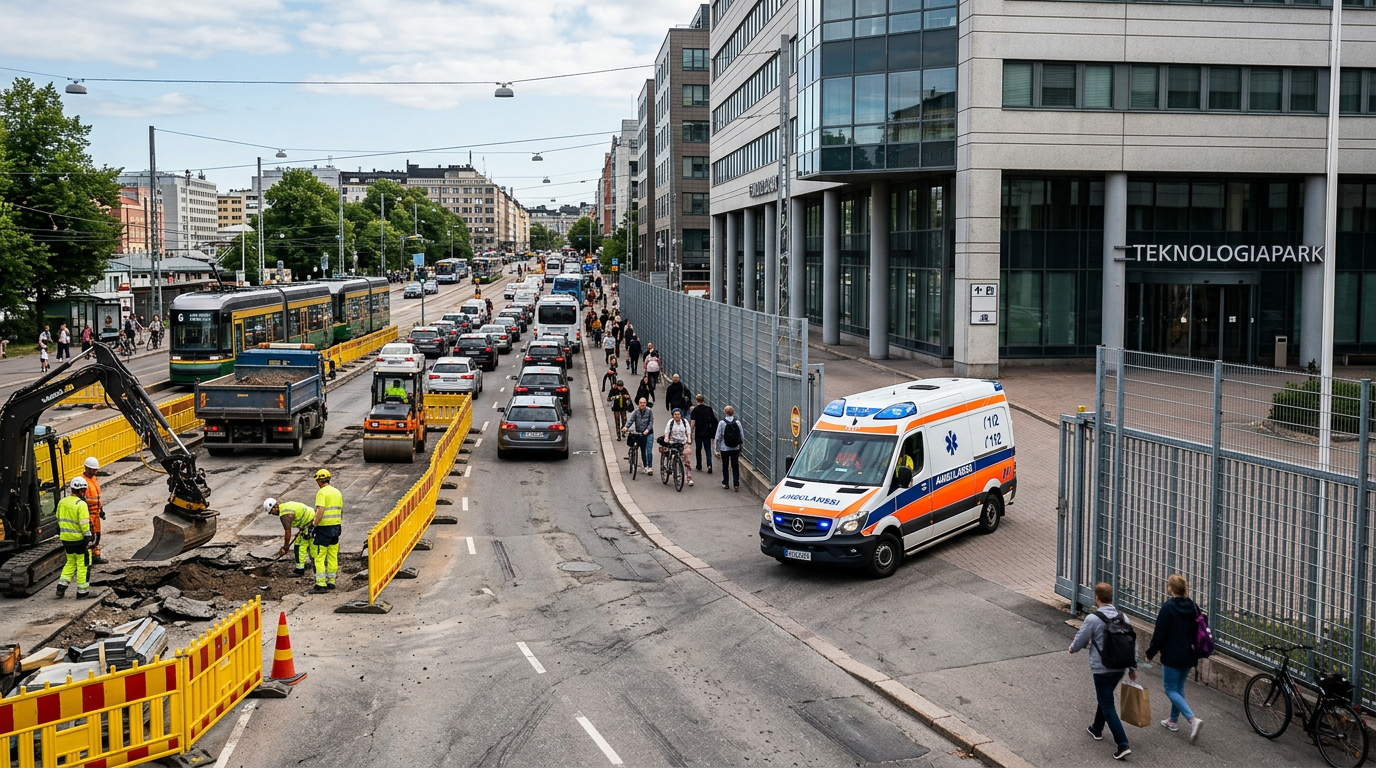
On 8 November 2026, the Finnish newspaper Helsingin Sanomat reported on something every employer should read: in Helsinki, there are almost 40 areas that the rescue service currently cannot reach within its target time. The target is for the first unit to be on the scene within six minutes. The reasons given include street works, changes to urban space and traffic. The challenge is hardly limited to Helsinki: similar problems probably exist elsewhere in Finland and around the world, wherever congestion and roadworks slow down emergency vehicles. In sparsely populated areas, long distances can lengthen response times even further.
The rescue service is doing its job, has recognised the problem itself, and improvements are being planned. Even so, the article is a reminder of something that is always true: before professional help arrives, the first minutes are in the hands of the people who are there. So the question for employers is: do you know what happens at your workplace during those minutes?
Why this is the employer’s responsibility
The Finnish Occupational Safety and Health Act requires employers to arrange first aid and to ensure that enough employees at the workplace have first aid skills. In practice, this means first aid readiness must work when it is actually needed, not just on paper.
Help also does not reach every location equally fast. It depends on the site’s location, access routes, building and road works nearby, the time of day, and even how far inside a building the person in need is from the entrance. A large construction site, a sprawling industrial area or a multi-storey office building can mean that rescuers need guidance, even if the drive itself is short.
We have covered the basics of first aid and CPR earlier in our First aid and CPR post. This post focuses on how an organisation makes sure that skills and procedures are ready at the right time and in the right place.
Is your workplace ready? Take a quick check
When an emergency happens, there is no time to start working out who does what. Many workplaces discover the gaps only when they are needed.
We have put together a readiness checklist that helps you spot them in advance. Go through it together with your safety committee, supervisors or employee representatives. It takes about half an hour, and if you answer “I don’t know” to some of the questions, that is already a valuable result: you now know where to start.
What those first minutes require
In an emergency, every minute matters. In cardiac arrest, for example, every minute without CPR reduces the chances of survival and recovery. That is why the chain must work without delay: a quick alert, first aid or CPR immediately, a defibrillator as soon as possible, and guiding the rescuers to the scene.
This chain of action does not form or work by itself. It requires people to know their roles and to have practised. You can also keep up your CPR skills on your own, and you will find tips in our blog post Practise CPR skills at home. At the workplace, however, first aid skills are best practised together and in the conditions of your own site.
How TVA can help
We provide first aid and CPR training as online courses and at workplaces, including refresher training. Online courses are available in Finnish, English and Polish. We can also help you assess whether your site’s first aid readiness and safety practices are in order. Get in touch and we will discuss what kind of training or assessment would suit your organisation.
Go through the list this week
The news about Helsinki’s response times is a good reminder that professional help is not always immediately available, not even in big cities, let alone in remote areas. How well a workplace has prepared decides what happens before professional help may arrive. Set aside half an hour with your safety committee for this check this week.